
Mississauga
At Art Of Mobility in Mississauga & Toronto, we are committed to delivering advanced, physiotherapy-centered treatment for hammer toe. Our focus is on easing discomfort, enhancing toe functionality, and preventing further toe deformities in a compassionate setting.
5.0 · 640+ Google reviewsNo referral needed
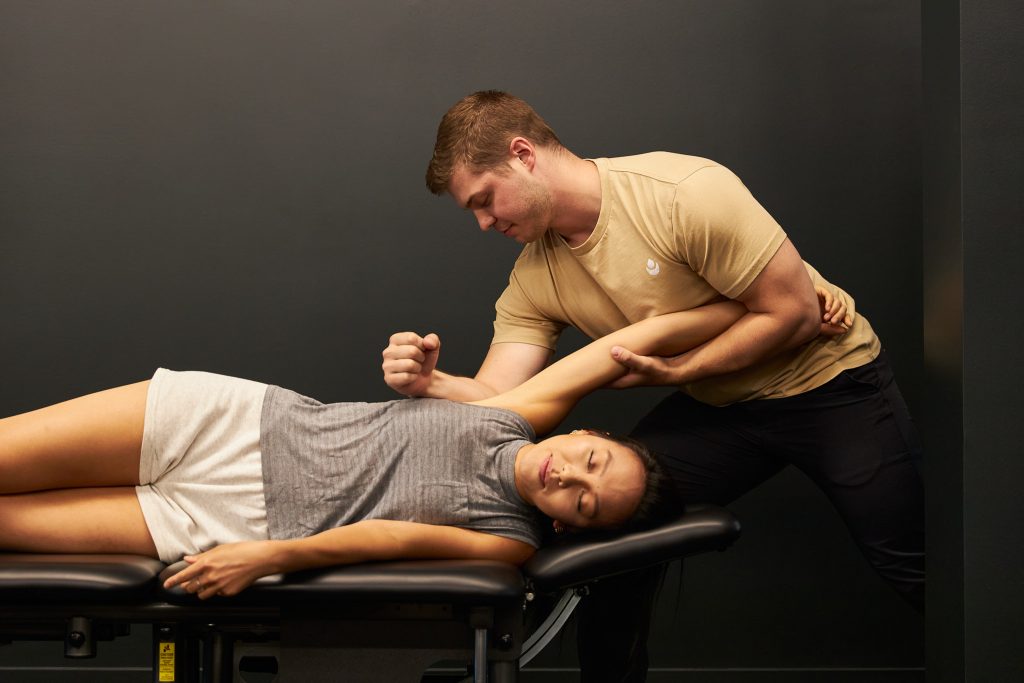
Hammer toe is characterized by an unusual bend in one or more of the second, third, or fourth toes, leading to painful curling underneath. This condition can stem from various causes.
Signs of hammer toe comprise:
The main reasons for hammer toe development include:
Symptoms vary from person to person, but common signs include:
Common causes and risk factors include:
At Art Of Mobility, we embrace a physiotherapy-centered strategy for addressing hammer toe.
Your treatment commences with a thorough assessment by our proficient physiotherapists, focusing on gauging the severity of the hammer toe and understanding its impact on your daily life. This assessment involves a conversation about your symptoms, lifestyle, footwear, and any factors contributing to your condition.
Based on the evaluation, we devise a personalized physiotherapy plan with the goal of:
Besides hammer toe correction, Art Of Mobility extends a diverse range of services catering to various musculoskeletal conditions. We are dedicated to enhancing your overall well-being through individualized treatment.
Who treats this at Art of Mobility
Physiotherapists in Port Credit, Mississauga: Thusheinth Sivarajah, Justin Achat, Chung Duong, Tharaniya Sivarajah and Nathan Wong. In Trinity Bellwoods, Toronto: Justin Mah, Yunqi and Nathan Wong.
No referral needed. Meet the full team.
Choosing Art Of Mobility in Mississauga & Toronto for your hammer toe treatment means embarking on a journey guided by experienced physiotherapists committed to your healing. We are here to assist you every step of the way, from initial assessment to complete recovery, with treatments tailored to your specific requirements.
Begin your path to relief and functional enhancement with Art Of Mobility. Reach out to us today to explore our hammer toe treatment options and how we can help you walk comfortably and confidently once more.
How long does it take? Flexible hammer toes can improve with footwear, exercise and padding over several weeks; rigid toes may need a surgical opinion.
Seek urgent medical care if you notice:
1. Assessment. We take a full history and test movement, strength and the structures involved, so we understand what is driving your symptoms.
2. A clear explanation. You leave knowing what is going on and what will help, in plain language.
3. Treatment from day one. Hands-on care where it helps, plus a few targeted exercises to start right away.
4. Progress checks. We re-test at follow-ups and adjust your plan as you improve, with a clear path back to the activities you love.
No referral is needed, and we offer direct billing with most insurers.
Hammer Toe rarely has a single cause, so our clinicians work together on one plan rather than treating it in isolation. Depending on what your assessment shows, your care may combine:
Everyone works from one shared chart at our Port Credit and Trinity Bellwoods clinics, so you only tell your story once. Not sure who to see first? Book a free 20-minute consultation and we will match you with the right clinician.
Hammer toe and mallet toe are both toe deformities, but they affect distinct joints in the toe. Hammer toe occurs due to an abnormal bend in the middle joint of the toe, causing it to bend downward like a hammer. Conversely, mallet toe impacts the joint closest to the toenail, leading to the end of the toe bending downward. While both conditions are often triggered by muscle imbalances and are more prevalent in the second through fourth toes, their unique differences lie in the affected joints and resulting toe shapes.
Yes, specific exercises can aid in preventing hammer toes from worsening by strengthening the toes and enhancing flexibility. Exercises such as towel curls, marble pickups, and toe stretches target the muscles around your toes, improving muscle balance and impeding deformity progression. While exercises are beneficial, combining them with suitable footwear and, if needed, physiotherapy interventions is essential for optimal results.
The timeline for observing improvement from physiotherapy for hammer toe varies based on factors like the condition’s severity, the treatment plan, and the individual’s dedication to exercises and recommendations. Typically, pain relief and enhanced toe flexibility may be noticed within a few weeks of consistent physiotherapy. However, correcting the deformity or significantly improving toe alignment could take several months of committed effort. Regular follow-ups with your physiotherapist can help tweak the treatment plan as required, ensuring progress towards your goals.
When managing hammer toes, look for shoes with a spacious, deep toe box that allows your toes to move freely without being cramped. Additionally, opt for shoes with good arch support to distribute weight evenly across your foot and reduce toe pressure. Avoid high heels or narrow, pointed shoes that force your toes into a cramped position. Choose shoes made from soft, flexible materials that can adapt to your foot’s shape and accommodate any padding you may use as part of your treatment plan.
Flexible hammer toes can improve with footwear, exercise and padding over several weeks; rigid toes may need a surgical opinion.
X-rays may help if surgery is being considered.
Yes, with footwear that gives the toes room.
No referral is needed to book with us. Treatment is covered by most extended health plans, and we direct bill most insurers.
Questions about your symptoms? Talk to our team in Mississauga or Toronto.
Find your nearest location.