Mississauga
At Art of Mobility in Mississauga & Toronto, we provide focused treatment for sesamoiditis to alleviate pain and improve foot health. Our clinic focuses on personalized physiotherapy care that targets the root cause of your discomfort for lasting relief.
5.0 · 640+ Google reviewsNo referral needed
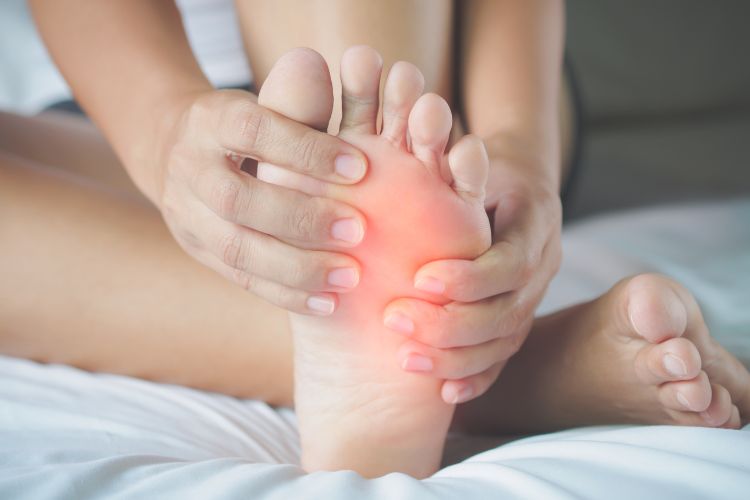
Sesamoiditis refers to the inflammation of the sesamoid bones located within the tendons beneath the big toe, surrounded by tissues. This condition commonly occurs in athletes, dancers, and individuals engaged in activities that stress the forefeet due to repetitive movements or sudden injuries.
Common symptoms of sesamoiditis include:
Sesamoiditis is often triggered by:
Symptoms vary from person to person, but common signs include:
Common causes and risk factors include:
Free 20-minute consultation
Not sure where to start? Talk to our team for free.
Tell us what is going on and we will recommend the right clinician and plan for you. No obligation.
Our sesamoiditis treatment strategy at Art of Mobility revolves around physiotherapy techniques:
We conduct a thorough assessment to gauge the severity of sesamoiditis and its impact on your daily functioning. This assessment includes analyzing foot structure, gait, activity levels, and footwear choices.
Based on the evaluation, we develop a tailored treatment plan that may include:
Art of Mobility is equipped to address various foot conditions beyond sesamoiditis, ensuring comprehensive care for all your foot health needs. Our goal is to support your overall well-being and enhance physical performance through personalized treatment.
Who treats this at Art of Mobility
Physiotherapists in Port Credit, Mississauga: Thusheinth Sivarajah, Justin Achat, Chung Duong, Tharaniya Sivarajah and Nathan Wong. In Trinity Bellwoods, Toronto: Justin Mah, Yunqi and Nathan Wong.
No referral needed. Meet the full team.
How long does it take? Most cases improve in 6 to 12 weeks with offloading and footwear changes.
Seek urgent medical care if you notice:
1. Assessment. We take a full history and test movement, strength and the structures involved, so we understand what is driving your symptoms.
2. A clear explanation. You leave knowing what is going on and what will help, in plain language.
3. Treatment from day one. Hands-on care where it helps, plus a few targeted exercises to start right away.
4. Progress checks. We re-test at follow-ups and adjust your plan as you improve, with a clear path back to the activities you love.
No referral is needed, and we offer direct billing with most insurers.
Sesamoiditis rarely has a single cause, so our clinicians work together on one plan rather than treating it in isolation. Depending on what your assessment shows, your care may combine:
Everyone works from one shared chart at our Port Credit and Trinity Bellwoods clinics, so you only tell your story once. Not sure who to see first? Book a free 20-minute consultation and we will match you with the right clinician.
While some sesamoiditis symptoms may improve with rest and self-care, targeted treatment is often necessary for complete resolution, especially in cases involving biomechanical issues or chronic strain. Without proper care, sesamoiditis can persist, causing chronic pain and complications. Engaging in physiotherapy and following a personalized treatment plan can enhance recovery and prevent recurrences.
If you have sesamoiditis, it’s advisable to steer clear of activities that stress the balls of your feet, worsening pain and inflammation. These activities include running, jumping, ballet, and exercises with repetitive foot impact. While you don’t need to stop all physical activities, modifying your routine to include low-impact options like swimming or cycling can reduce foot stress while keeping you active.
Recovery time from sesamoiditis through physiotherapy varies based on factors such as severity, duration of symptoms, and treatment adherence. Relief may begin within weeks of consistent therapy, but full recovery to pain-free activity levels can take months. Following your physiotherapist’s advice, including activity and footwear modifications, is crucial for successful rehabilitation.
Choosing appropriate footwear can significantly aid in managing sesamoiditis symptoms. Shoes with low heels, soft soles, and wide toe boxes reduce sesamoid pressure and offer necessary support and cushioning. Running or walking shoes with proper arch support help distribute weight evenly, lessening stress on the sesamoid area. Avoiding high heels and tight shoes is essential to prevent exacerbating the condition.
Most cases improve in 6 to 12 weeks with offloading and footwear changes.
X-ray or MRI may be used to rule out a fracture.
Usually, with offloading pads and reduced impact.
No referral is needed to book with us. Treatment is covered by most extended health plans, and we direct bill most insurers.
Questions about your symptoms? Talk to our team in Mississauga or Toronto.
Find your nearest location.