

Mississauga
Post-concussion syndrome, also called persistent post-concussive symptoms, is when symptoms such as headaches, dizziness, fatigue, neck pain, trouble concentrating, sleep problems or sensitivity to light and noise last more than three months after a concussion. You don’t need to have lost consciousness, and it isn’t too late to get help.
5.0 · 640+ Google reviewsNo referral needed
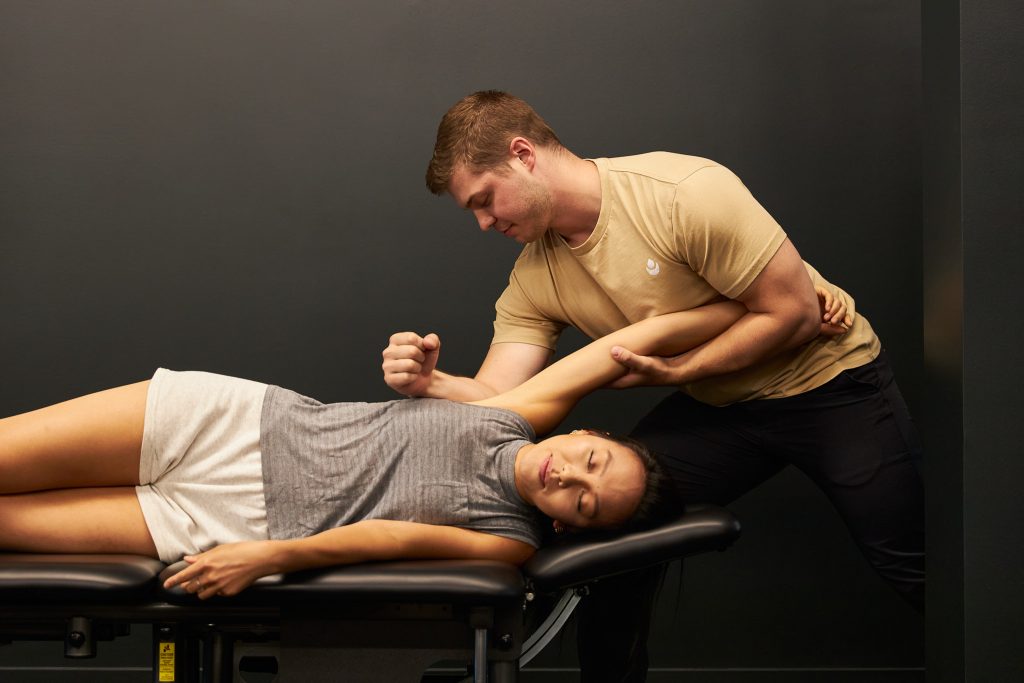
Persistent symptoms can last months, and occasionally a year or more, but they often improve with a plan that addresses each contributing factor. Progress is tracked and your plan is adjusted as you recover.
Get medical help urgently if you have:
Sources: Mayo Clinic: Post-concussion syndrome. This information is general and does not replace an assessment with a clinician.
Symptoms vary from person to person, but common signs include:
Common causes and risk factors include:
Free 20-minute consultation
Not sure where to start? Talk to our team for free.
Tell us what is going on and we will match you with the right practitioner. No obligation.
Art of Mobility has clinics in Port Credit, Mississauga and Trinity Bellwoods, Toronto. Your first visit starts with a full assessment and a plan built around your goals.
Who treats this at Art of Mobility
Concussion physiotherapy with Justin Achat in Port Credit, Mississauga and Justin Mah in Trinity Bellwoods, Toronto, with vestibular physiotherapist Nathan Wong for dizziness and balance.
Psychotherapy with Sarah Bonn, Benjamin Nunes and Steven Graham can support anxiety and low mood that often come with ongoing dizziness or concussion symptoms.
No referral needed. Meet the full team.
How long does it take? Most people recover in weeks to a few months with active, graded care.
Seek urgent medical care if you notice:
Post-concussion syndrome rarely has a single cause, so our clinicians work together on one plan rather than treating it in isolation. Depending on what your assessment shows, your care may combine:
Everyone works from one shared chart at our Port Credit and Trinity Bellwoods clinics, so you only tell your story once. Not sure who to see first? Book a free 20-minute consultation and we will match you with the right clinician.
Ongoing headaches, fatigue, dizziness and trouble focusing can make work and school hard. Many people find that a gradual, planned return works better than waiting until every symptom is gone.
Our concussion management care can include exercise testing, vestibular therapy and neck treatment. If low mood or worry is building, psychotherapy can be a helpful part of recovery too.
Concussion symptoms are often invisible, which can make them hard for family and friends to understand. Your support can make a real difference.
Watch for warning signs: a worsening headache, repeated vomiting, confusion, seizures, slurred speech or weakness. If these appear, call 911 or go to the nearest emergency department. If someone talks about suicide, call or text 9-8-8 (Suicide Crisis Helpline, Canada). Learn more about headache treatment.
Most people recover in weeks to a few months with active, graded care.
Usually not, unless red flags are present.
Yes, with a graded, sub-symptom exercise plan.
No referral is needed to book with us. Treatment is covered by most extended health plans, and we direct bill most insurers.
Yes, many people find physiotherapy helpful for lingering concussion symptoms. Care may include guided exercise, vestibular and eye-movement work, and treatment for neck pain and headaches.
A short period of relative rest in the first day or two is reasonable, but long periods of complete rest are no longer recommended. Gradually returning to light activity often supports recovery.
Yes. The same force that causes a concussion can strain the neck, which may contribute to headaches, dizziness and trouble focusing. Your physiotherapist will usually assess your neck as part of concussion care.
Questions about your symptoms? Talk to our team in Mississauga or Toronto.
For more background, these organizations offer reliable, plain-language information. It is general information and does not replace advice from your own clinician.
Find your nearest location.
