

TL;DR
Dry needling involves inserting thin needles into trigger points to release muscle tension, commonly causing brief twitching sensations followed by relief. Desk workers with chronic tension typically experience mild soreness for 24-48 hours post-treatment, with noticeable improvements in muscle tightness often developing over several sessions. The treatment works best when combined with posture correction and ergonomic adjustments.
────────────────────────────────────────────────────────
Introduction
If you spend hours hunched over a computer, you know the familiar ache that settles into your shoulders, neck, and upper back. Chronic muscle tension affects millions of desk workers, creating persistent discomfort that interferes with daily activities and sleep quality. As traditional approaches like stretching and massage provide only temporary relief, many office workers explore dry needling as a targeted treatment option.
Understanding what to expect during your first dry needling session helps you make informed decisions about your care. This evidence-based treatment addresses trigger points in tight muscles, offering a precision approach to managing chronic tension. We’ll walk through the entire experience, from preparation to recovery, so you feel confident and informed before your first appointment.
What is Dry Needling and How Does it Work?
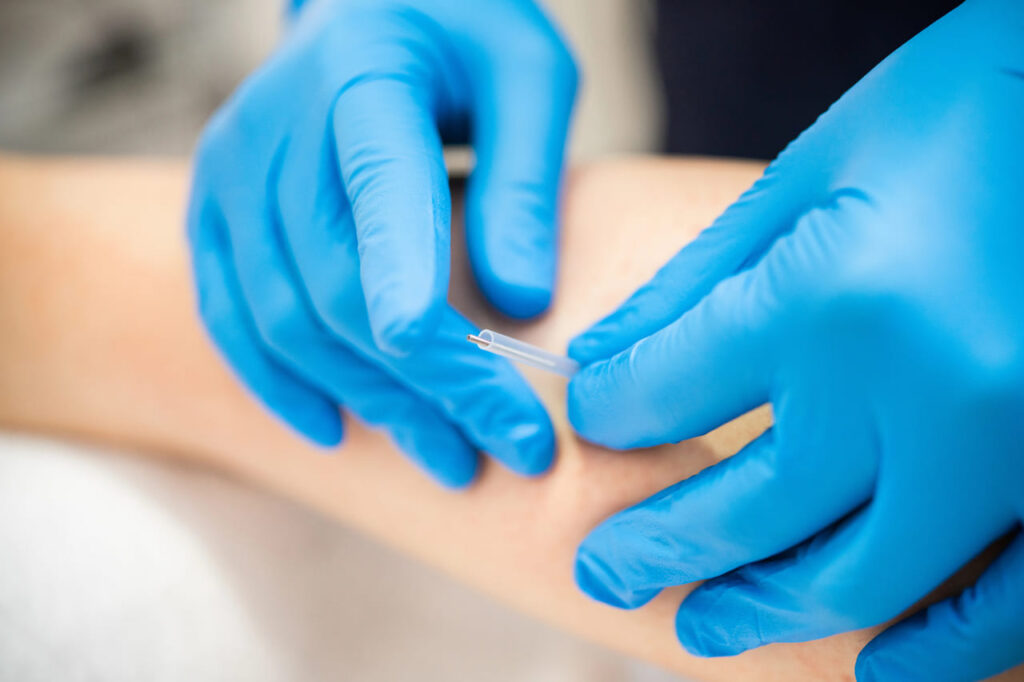
Dry needling is a technique where thin, sterile needles are inserted directly into myofascial trigger points to release muscle tension and restore normal function. These trigger points are hyperirritable spots within taut bands of muscle fibers that contribute to pain and restricted movement patterns common in desk workers.
The treatment targets specific areas of muscle dysfunction rather than following traditional acupuncture meridians. When the needle contacts a trigger point, it often produces a local twitch response, which indicates the release of muscle tension. Research shows dry needling leads to immediate improvements in muscle viscoelastic properties, meaning your muscles become more flexible and responsive to movement.
Unlike acupuncture, which focuses on balancing energy flow through the body, dry needling specifically addresses mechanical dysfunction in muscles. Your physiotherapist identifies trigger points through palpation and targets them with precise needle placement to restore normal muscle function and reduce pain patterns.
How Should You Prepare for Your First Dry Needling Session?
Before your appointment, discuss your complete medical history with your physiotherapist, including any medications, previous injuries, and specific pain patterns you experience. Mention if you have a fear of needles, bleeding disorders, or take blood-thinning medications, as these factors influence treatment planning and safety protocols.
Wear loose, comfortable clothing that allows easy access to treatment areas. For desk workers, this typically means clothing that exposes the neck, shoulders, and upper back. Avoid wearing jewelry or accessories that might interfere with positioning during treatment.
Set realistic expectations about outcomes. While some people experience immediate relief, others notice gradual improvements over several days or sessions. Your response depends on factors like the severity of your muscle tension, how long you’ve experienced symptoms, and your overall health status. Focus on the fact that dry needling is one component of a comprehensive approach to managing chronic tension.
What Sensations and Reactions Should You Expect During Treatment?
During needle insertion, you’ll feel a brief, sharp sensation similar to a small pinprick. This initial discomfort lasts only seconds and indicates proper needle placement. When the needle contacts a trigger point, you might experience a sudden muscle twitch or jump response, which feels like an involuntary muscle contraction.
Many people describe the twitch response as surprising but not painful. This reaction confirms that the needle has reached the targeted trigger point and begins the muscle release process. You might also feel a deep aching sensation or temporary reproduction of your familiar pain patterns as the muscle responds to treatment.
After needle removal, treated areas often feel immediately different. Some people experience muscle relaxation and improved range of motion, while others notice mild soreness similar to post-exercise muscle fatigue. Your physiotherapist monitors your responses throughout treatment and adjusts technique based on your comfort level and muscle reactions.
What Benefits Does Dry Needling Offer Desk Workers with Chronic Tension?
Dry needling addresses the root cause of chronic tension by releasing trigger points that develop from prolonged static postures and repetitive strain. Studies demonstrate significant improvements in pain reduction and functional movement when dry needling is incorporated into comprehensive treatment plans.
For desk workers, the most noticeable benefits include reduced muscle stiffness in the morning, improved neck and shoulder mobility, and decreased headache frequency. The treatment helps reset dysfunctional muscle patterns that develop from hours of forward head posture and rounded shoulder positioning.
Dry needling works most effectively when combined with ergonomic improvements, posture education, and targeted exercises. Your physiotherapist designs a personalized care plan that addresses not only muscle tension but also the underlying factors contributing to your symptoms. Progress is measured through objective assessments like range of motion testing and pain scale ratings.
How Should You Care for Yourself After Dry Needling Treatment?
Immediately following treatment, drink plenty of water to support your body’s natural healing processes. The muscle release triggered by dry needling creates metabolic changes that benefit from adequate hydration. Plan for 24-48 hours of mild soreness in treated areas, similar to the feeling after a deep tissue massage or intense workout.
Engage in gentle movement and light stretching on the day of treatment, but avoid intense exercise or heavy lifting. Walking, easy neck rotations, and shoulder rolls help maintain the benefits of treatment without overloading recently needled muscles. Apply heat or take a warm shower if soreness develops, as this promotes blood flow and muscle relaxation.
Address the ergonomic factors that contribute to your chronic tension. Adjust your monitor height to eye level, ensure your keyboard and mouse are positioned to keep your shoulders relaxed, and take regular movement breaks throughout your workday. These modifications prevent the reformation of trigger points and support long-term improvement.
Communicate with your physiotherapist about your response to treatment. Note any changes in pain levels, sleep quality, or daily function, as this information guides future treatment decisions and modifications to your care plan.
Key Takeaways
- Dry needling inserts needles into trigger points to release muscle tension, often producing a brief twitch response that indicates effective treatment.
- Desk workers typically experience mild soreness for 24-48 hours after treatment, followed by improvements in muscle flexibility and pain reduction.
- The treatment works best when combined with ergonomic improvements, posture correction, and targeted exercises to address underlying causes of tension.
- Proper preparation includes wearing loose clothing, discussing medical history, and setting realistic expectations about gradual improvements.
- Post-treatment care involves staying hydrated, engaging in gentle movement, and avoiding intense exercise for 24-48 hours.
- Regular communication with your physiotherapist helps optimize treatment plans and track measurable progress over time.
Take the Next Step Toward Relief
Chronic muscle tension doesn’t have to define your daily experience. If you’re ready to explore how dry needling fits into a comprehensive approach to managing your symptoms, consider scheduling a consultation with a qualified physiotherapist. Art of Mobility specializes in evidence-based treatments that address the unique challenges facing desk workers and office professionals.
Our team takes a personalized, data-driven approach to your care, combining dry needling with ergonomic education, movement therapy, and long-term wellness strategies. We believe in empowering you with the knowledge and tools needed to live stronger, move better, and work comfortably.
Frequently Asked Questions
What does dry needling feel like for someone new to the treatment?
Most people describe the initial needle insertion as a quick pinprick sensation lasting only seconds. The distinctive part is the muscle twitch response when the needle contacts a trigger point, which feels like an involuntary muscle contraction followed by a sense of release. After treatment, you’ll likely experience mild muscle soreness similar to post-exercise fatigue that resolves within 1-2 days.
How many sessions might be needed to notice changes in chronic muscle tension?
Response varies based on the severity and duration of your symptoms, but many desk workers notice some improvement within 2-3 sessions. Significant changes in chronic tension patterns typically develop over 4-6 treatments combined with ergonomic modifications and targeted exercises. Your physiotherapist tracks progress using objective measures and adjusts treatment frequency based on your individual response.
Is dry needling safe for people who sit at a desk most of the day?
Yes, dry needling is generally safe for desk workers when performed by a qualified physiotherapist. The treatment specifically addresses muscle dysfunction common in sedentary work environments. Your therapist will assess your medical history, current symptoms, and work demands to ensure dry needling is appropriate for your situation and integrate it safely into your overall treatment plan.