


TL;DR
Functional movement builds lasting back strength by training your body for real-world activities rather than just relieving immediate pain. For working professionals, this approach addresses the root causes of back problems while improving daily performance and preventing future injury through targeted exercises that mirror workplace demands.
────────────────────────────────────────────────────────
Why Your Back Needs More Than Quick Pain Relief
When your back starts aching after another long day hunched over your laptop, you want relief fast. But here’s what I’ve learned working with professionals struggling with persistent back pain: quick fixes only mask the problem. The pain relief you feel from medication or heat therapy is temporary because these approaches don’t strengthen the movement patterns your body actually needs.
Functional movement takes a different approach. Instead of just chasing symptoms, it builds the foundation for long-term back health by training your body for the demands of real life. For working professionals, this means developing strength and mobility that translates directly to better posture, reduced pain, and enhanced performance both at work and beyond.
Your back deserves a solution that goes deeper than temporary relief. Let me show you why functional movement creates lasting change and how you can start building resilient back strength today.
What Makes Functional Movement Different for Back Health?
Functional movement focuses on training your body for real-world activities rather than isolating individual muscles. When it comes to back health, this means developing strength through movement patterns you actually use every day: bending, lifting, rotating, and maintaining posture during prolonged sitting.
Traditional back exercises often target specific muscles in isolation. While this has value, functional movement integrates multiple muscle groups working together, just like your body does naturally. Research from the National Institutes of Health emphasizes that movement-based approaches support better long-term outcomes for back pain than passive treatments alone.
Here are the key benefits functional movement provides for back health:
- Improved core stability: Your deep core muscles learn to support your spine during various movements
- Better movement quality: You develop efficient patterns that reduce strain on your back
- Enhanced muscle coordination: Different muscle groups work together more effectively
- Increased resilience: Your back becomes stronger in multiple planes of movement
- Real-world application: The strength you build directly transfers to daily activities
The Science Behind Functional Training
Functional movement works because it addresses how your nervous system controls movement patterns. When you train functional movements consistently, you build muscle strength and improve the communication between your brain and your body. This neuromuscular adaptation is what creates lasting change in how you move and feel.
Why Quick Pain Relief Falls Short for Long-Term Back Health?
Pain relief medications, passive treatments, and quick fixes provide temporary comfort but don’t address the underlying movement dysfunction causing your back problems. While these approaches have their place in acute situations, relying solely on them creates a cycle where pain returns because the root causes remain unchanged.
The limitations of quick-relief approaches include:
- Symptom masking: Pain relief doesn’t fix poor movement patterns
- Dependency cycle: You need repeated treatments without building independence
- Missed opportunities: Time spent on temporary fixes could develop lasting solutions
- Progressive weakness: Inactivity during pain episodes can weaken supporting muscles
- Recurring problems: Without addressing causes, pain patterns typically return
For working professionals, this creates particular challenges. Your demanding schedule needs solutions that work with your lifestyle, not against it. Functional movement training provides this by building strength and resilience that prevents problems before they start.
How Do You Build Functional Back Strength?
Building functional back strength requires a systematic approach that progresses from basic stability to complex movement patterns. The goal is developing strength that supports your spine during the movements you perform most often.
Foundation Movements for Working Professionals
These exercises form the cornerstone of functional back strength:
Exercise Category | Primary Benefit | Example Movement |
Core Stabilization | Spinal support during sitting | Dead bug variations |
Hip Mobility | Reduces lumbar compensation | Hip flexor stretches |
Posterior Chain Strength | Counters forward head posture | Bird dog progressions |
Rotational Control | Supports turning movements | Modified side planks |
Progressive Training Principles
Functional back strength develops through consistent, progressive training. Start with basic stability exercises and gradually add complexity as your movement quality improves. Studies show that physical therapy and exercise approaches emphasizing progressive loading produce better long-term outcomes than passive treatments.
Key principles for building lasting strength:
- Quality over quantity: Perfect form creates better movement patterns
- Gradual progression: Increase difficulty slowly to avoid setbacks
- Consistency matters: Regular practice builds neuromuscular adaptation
- Movement integration: Connect exercises to daily activities
- Individual adaptation: Adjust exercises based on your specific needs
How Can You Prevent Back Pain at Work?
Prevention strategies for working professionals combine proper ergonomics with movement habits that counteract the effects of prolonged sitting. Your workspace setup and daily movement routine both play crucial roles in maintaining back health.
Ergonomic Fundamentals
Your workstation should support neutral spinal alignment and allow for regular position changes. Key ergonomic considerations include:
- Monitor height: Top of screen at eye level to prevent forward head posture
- Chair support: Lumbar support maintains natural spinal curves
- Foot position: Flat on floor or footrest to support proper hip alignment
- Keyboard placement: Elbows at 90 degrees to reduce shoulder tension
- Document positioning: Avoid prolonged neck rotation or flexion
Movement Strategies Throughout Your Workday
Regular movement breaks are essential for maintaining back health during long work periods. Effective strategies include:
- Hourly movement breaks: Stand and walk for 2-3 minutes every hour
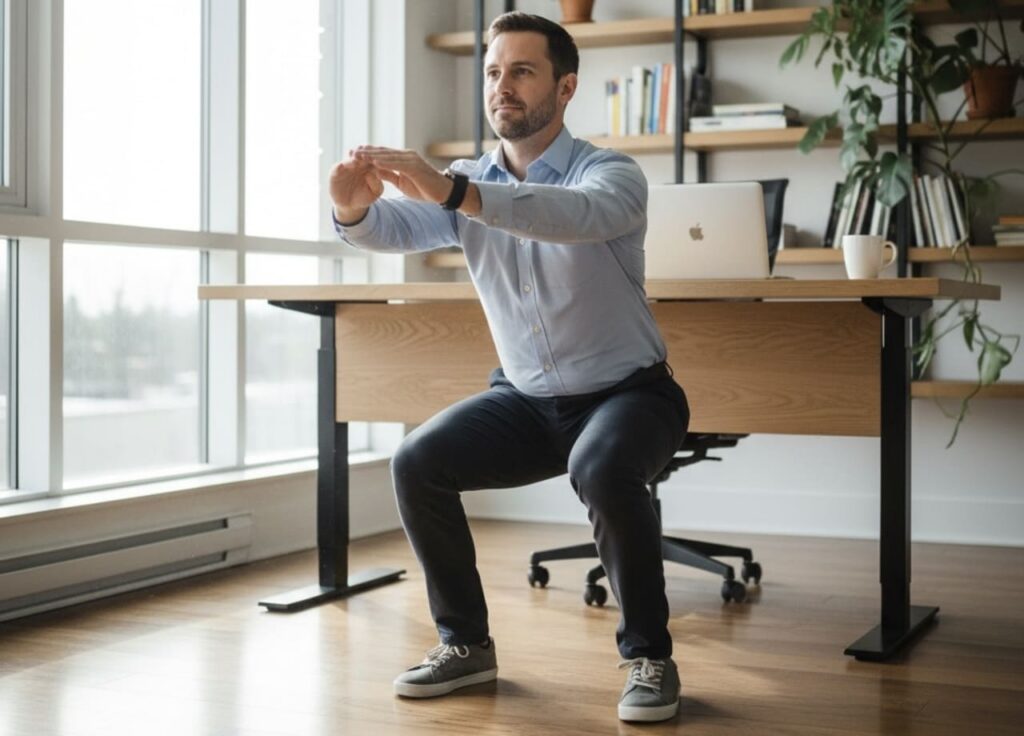
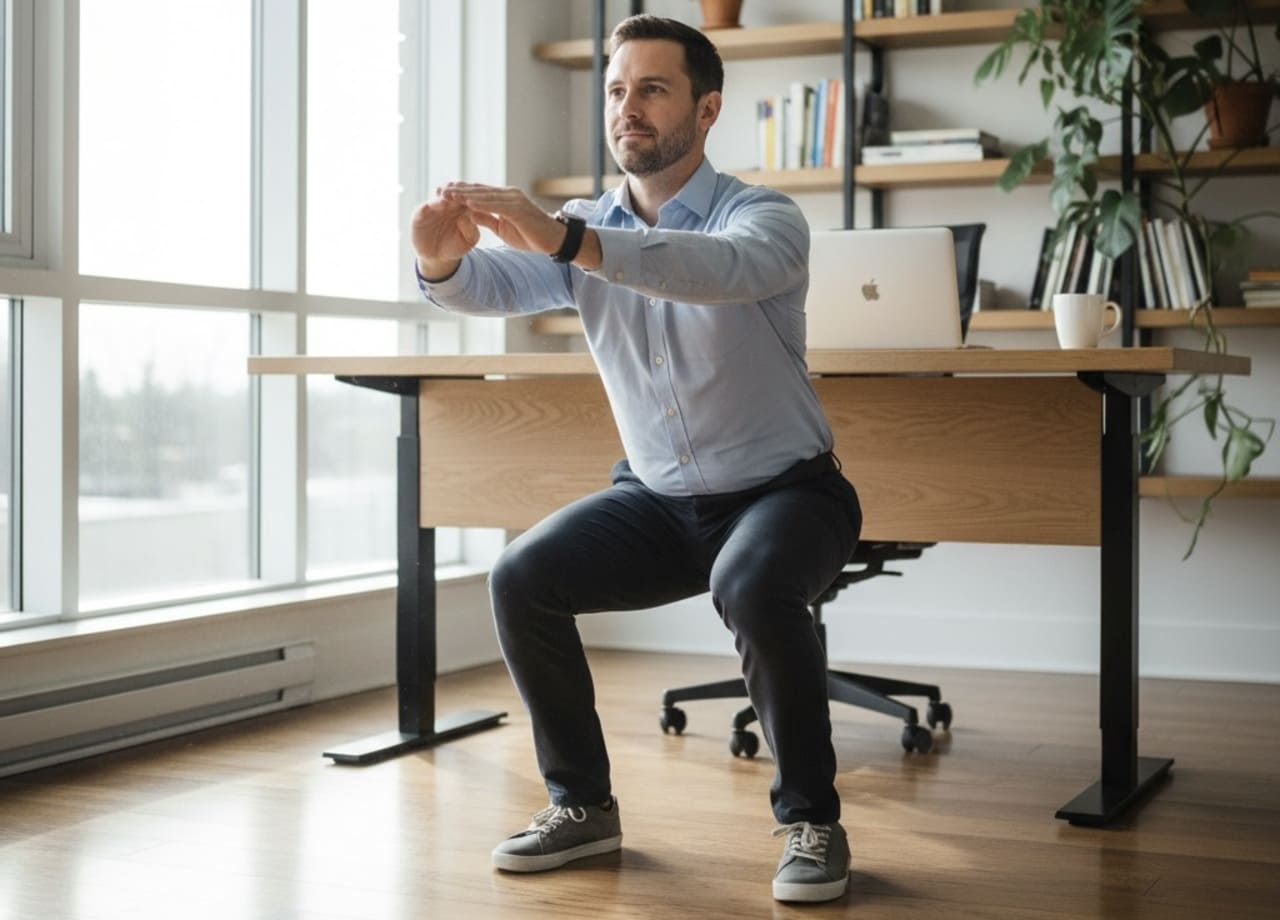
- Desk exercises: Simple stretches you perform at your workstation
- Posture resets: Conscious alignment checks throughout the day
- Walking meetings: Take calls while walking when possible
- Active lunch breaks: Use lunch time for movement activities
How Does Physiotherapy Support Functional Movement?
Professional physiotherapy guidance accelerates your progress toward functional back strength by providing personalized assessment and targeted interventions. A physiotherapist evaluates your specific movement patterns, identifies dysfunction, and creates a customized program addressing your unique needs.
Physiotherapy for back pain goes beyond treating symptoms by focusing on movement re-education and strength building. This approach aligns perfectly with functional movement principles because it addresses the underlying causes of back problems rather than just managing pain.
Professional physiotherapy support provides:
- Movement assessment: Identify specific dysfunction patterns
- Personalized programming: Exercises tailored to your needs and goals
- Progressive monitoring: Adjust treatments based on your response
- Education component: Learn to manage your own back health
- Prevention strategies: Develop habits that prevent future problems
Research from the Mayo Clinic demonstrates that structured exercise programs, particularly those supervised by healthcare professionals, provide superior outcomes for chronic pain conditions including back pain.
Key Takeaways
- Functional movement builds lasting back strength by training movement patterns you use in daily life, creating more resilient and adaptable spinal support than isolated muscle exercises.
- Quick pain relief approaches only address symptoms temporarily while functional movement targets the root causes of back problems, leading to better long-term outcomes.
- Working professionals benefit from functional back training because it directly improves posture, reduces workplace strain, and enhances overall daily performance.
- Effective back health prevention combines proper ergonomics with regular movement breaks and functional exercises that counteract the effects of prolonged sitting.
- Professional physiotherapy guidance accelerates progress by providing personalized assessment, targeted interventions, and evidence-based exercise programming tailored to individual needs.
- Consistent functional movement training creates neuromuscular adaptations that improve how your brain controls spinal stability and movement quality.
Start Building Your Functional Back Strength Today
Your back health doesn’t have to be limited by quick fixes and temporary solutions. Functional movement offers a path to lasting strength, improved performance, and genuine prevention of future problems. The investment you make in building proper movement patterns today pays dividends in reduced pain, enhanced vitality, and greater confidence in your body’s capabilities.
Ready to develop back strength that supports your professional demands and personal goals? Art of Mobility specializes in helping working professionals build lasting back health through evidence-based functional movement approaches. Our personalized programs address your specific needs while fitting into your busy schedule, ensuring you develop the resilient back strength that enhances every aspect of your life.
Frequently Asked Questions
What is the difference between functional movement and traditional exercise for back strength?
Functional movement trains your body for real-world activities by integrating multiple muscle groups in movement patterns you use daily, while traditional exercise often isolates specific muscles. Functional approaches build strength that directly transfers to activities like lifting, bending, and maintaining posture during work, creating more comprehensive back support.
How can I incorporate functional movement into my busy work schedule effectively?
Start with short, targeted sessions of 10-15 minutes focusing on key movement patterns rather than lengthy gym workouts. Incorporate desk-based exercises, walking meetings, and movement breaks throughout your day. Consistency with brief sessions produces better results than sporadic longer workouts, making this approach ideal for busy professionals.
When should I consider consulting a physiotherapist to support my back health goals?
Consider professional guidance if you experience recurring back pain, have difficulty maintaining proper posture during work, or want to prevent future problems proactively. A physiotherapist provides personalized assessment and programming that accelerates your progress while ensuring you’re performing exercises correctly and safely.