
Mississauga
Reviewed by Sarah Bonn, Registered Psychotherapist · Last reviewed November 2026
Acceptance and commitment therapy (ACT) helps you make room for difficult thoughts and feelings instead of fighting them, while taking steps toward what matters to you. It uses mindfulness, values and committed action, and has evidence for anxiety, depression, stress and chronic pain.
5.0 · 640+ Google reviewsNo referral needed
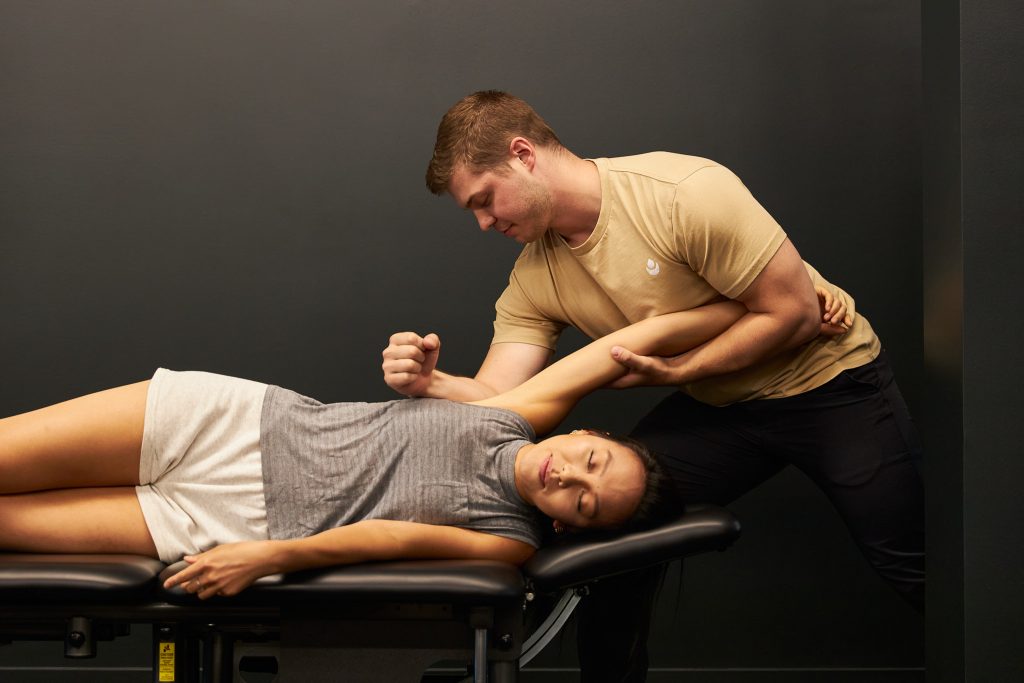
The number of sessions varies with your goals; we review progress together regularly.
Get help right away if:
Sources: Wikipedia: Acceptance and commitment therapy. This information is general and does not replace an assessment with a clinician.
Free 20-minute consultation
Not sure if therapy is right for you?
Book a free 20-minute consultation to ask questions and see whether a therapist feels like the right fit. No pressure and no commitment.
It is often helpful for people dealing with:
Prefer to meet online? Sessions are also available by secure video for anyone located in Ontario. Learn more about online therapy in Ontario.
ACT is one of the approaches our registered psychotherapists may use in counselling, as part of the mental health services we offer in Mississauga, Toronto and online.
Sessions usually include:
Art of Mobility has clinics in Port Credit, Mississauga and Trinity Bellwoods, Toronto. Your first visit starts with a full assessment and a plan built around your goals.
Who treats this at Art of Mobility
Psychotherapists: Sarah Bonn, Registered Psychotherapist (both clinics); Benjamin (Ben) Nunes, Registered Psychotherapist (Qualifying) (Port Credit, Mississauga); Steven Graham, Registered Psychotherapist (Qualifying) (Trinity Bellwoods, Toronto).
In-person and virtual sessions are available, and a free 20-minute meet and greet helps you find the right therapist for you.
No referral needed. Meet the full team.
How long does it take? Many people notice meaningful change within 6 to 12 sessions, though it varies. We review your goals regularly.
Get urgent help if:
Matched to the right therapist
Tell us what is going on, and we will match you with the right psychotherapist.
In person in Port Credit or Trinity Bellwoods, or online anywhere in Ontario. Start with a free 20-minute consultation.
Need urgent help? Psychotherapy is not an emergency service. If you are in crisis or thinking about suicide, call or text 9-8-8 (Suicide Crisis Helpline) any time, or call 911 or go to your nearest emergency department.
Acceptance & Commitment Therapy (ACT) is one of several evidence-based approaches our therapists use. It is often helpful for:
Other approaches we offer include Cognitive Behavioural Therapy (CBT), Dialectical Behaviour Therapy (DBT), Emotion-Focused Therapy (EFT), Mindfulness-Based Therapy. Your therapist will help you decide what fits best, and approaches are often combined.
Because Art of Mobility is a multidisciplinary clinic, your therapist can also coordinate with our massage therapists, naturopathic doctor and physiotherapists when stress, sleep or pain are part of the picture.
The first step is the hardest
Reaching out takes courage. We will make it easy.
Book a free 20-minute consultation and talk with our team about what you need. If you are in crisis, call or text 9-8-8 or call 911.
ACT is built around six connected skills that help you become more flexible with difficult thoughts and feelings.
You do not need to master all six at once. Your therapist will use simple exercises and metaphors to bring them to life. ACT can be helpful for anxiety, low mood, stress and living with long-term health concerns.
ACT and CBT are both evidence-informed approaches, and they can work well together. The main difference is how they relate to difficult thoughts.
CBT often helps you look at whether a thought is accurate and find a more balanced way to see a situation.
ACT does not try to change or argue with thoughts. Instead, it helps you notice them, let them be there and still move toward what matters to you.
Some people find CBT's structure helpful for specific problems, like panic or avoidance. Others find ACT a relief when they are tired of fighting their thoughts, or when a situation cannot easily be changed, such as grief or chronic pain.
Many therapists draw on both. If you are not sure where to start, our which therapy is right for me page or a free consultation can help.
Many people notice meaningful change within 6 to 12 sessions, though it varies. We review your goals regularly.
No. Registered Psychotherapists do not prescribe medication, but we are happy to work alongside your family doctor or psychiatrist if medication is part of your care.
Yes. Virtual sessions are available across Ontario, as well as in person in Port Credit and Trinity Bellwoods.
No referral is needed to book with us. Treatment is covered by most extended health plans, and we direct bill most insurers.
Yes, ACT has been studied for many concerns, including anxiety, depression, stress and chronic pain. Like any therapy, how much it helps varies from person to person.
Many people living with ongoing pain find ACT helpful for reducing the struggle with pain and getting back to meaningful activities. It can be combined with physical care such as chronic pain treatment.
Values are the qualities you want to bring to your life, such as kindness, curiosity or being a caring parent. In ACT, values act like a compass to guide your choices.
Questions about your symptoms? Talk to our team in Mississauga or Toronto.
You can see us in person at either clinic, or online. Not sure who to see? Book a free 20-minute consultation and we’ll match you with the right practitioner.
125 Lakeshore Rd E, Unit 202 (steps and an elevator). Sarah Bonn, Registered Psychotherapist, and Benjamin Nunes, Registered Psychotherapist (Qualifying), see clients here. We are close to Lorne Park, Mineola, Clarkson, Lakeview and Cooksville. Psychotherapy in Mississauga.
822 Richmond St W, Unit 200. Sarah Bonn, Registered Psychotherapist, and Steven Graham, Registered Psychotherapist (Qualifying), see clients here. In Toronto, both Sarah Bonn and Steven Graham use ACT. We are close to Queen West, Little Portugal, Ossington, Liberty Village and Parkdale. Psychotherapy in Toronto.
Secure video sessions are available to anyone in Ontario. Both clinics are open weekdays 8 am to 10 pm and weekends 9 am to 5 pm. Therapists listed as RP (Qualifying) practise under clinical supervision, as the College of Registered Psychotherapists of Ontario requires.
For more background, these organizations offer reliable, plain-language information. It is general information and does not replace advice from your own clinician.
Find your nearest location.