
Mississauga
PPPD (persistent postural-perceptual dizziness) is a type of chronic dizziness: a long-lasting dizziness or unsteadiness, often a rocking or swaying feeling rather than spinning, present on most days for three months or more. It usually starts after an episode such as BPPV, vestibular neuritis, a concussion or a panic attack, and tends to get worse when upright, moving, or in busy visual environments like stores and screens.
5.0 · 640+ Google reviewsNo referral needed
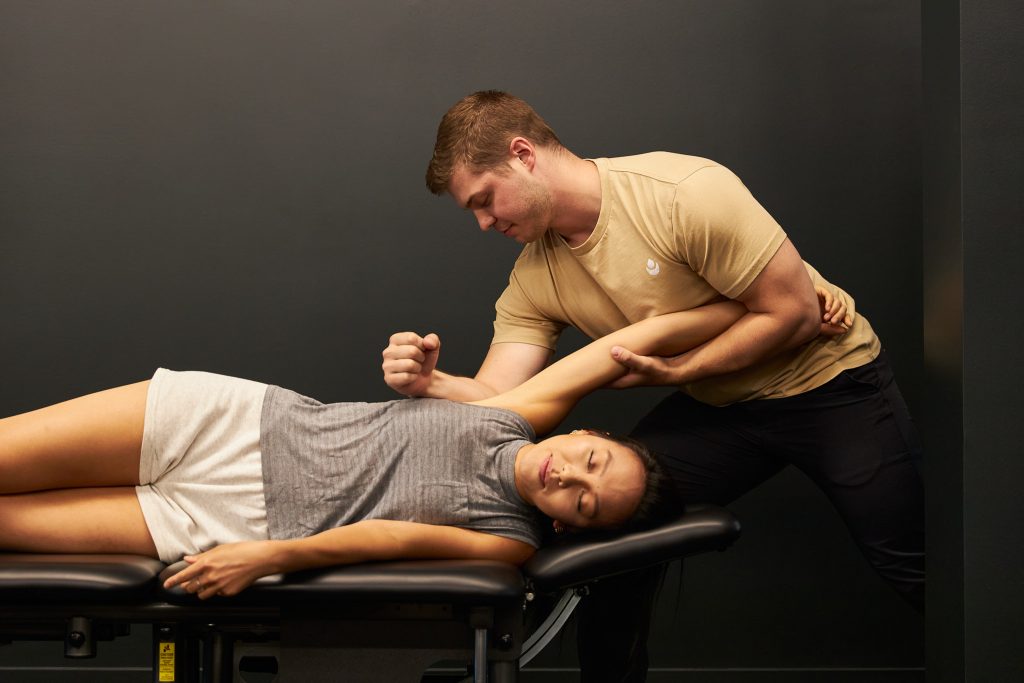
PPPD is a real, common cause of chronic dizziness. Vestibular rehabilitation usually takes place over three to six months, and progress is gradual. Starting treatment early and addressing anxiety alongside rehab can help.
Get medical help urgently if dizziness comes with:
Sources: Vestibular Disorders Association: PPPD. This information is general and does not replace an assessment with a clinician.
Symptoms vary from person to person, but common signs include:
Common causes and risk factors include:
Free 20-minute consultation
Not sure where to start? Talk to our team for free.
Tell us what is going on and we will match you with the right practitioner. No obligation.
Art of Mobility has clinics in Port Credit, Mississauga and Trinity Bellwoods, Toronto. Your first visit starts with a full assessment and a plan built around your goals.
Who treats this at Art of Mobility
Vestibular physiotherapy with Nathan Wong, who sees clients in Port Credit, Mississauga and Trinity Bellwoods, Toronto. Our wider physiotherapy team supports balance and strength work.
Psychotherapy with Sarah Bonn, Benjamin Nunes and Steven Graham can support anxiety and low mood that often come with ongoing dizziness or concussion symptoms.
No referral needed. Meet the full team.
How long does it take? Improvement usually builds over 8 to 12 weeks of habituation therapy.
Seek urgent medical care if you notice:
PPPD rarely has a single cause, so our clinicians work together on one plan rather than treating it in isolation. Depending on what your assessment shows, your care may combine:
Everyone works from one shared chart at our Port Credit and Trinity Bellwoods clinics, so you only tell your story once. Not sure who to see first? Book a free 20-minute consultation and we will match you with the right clinician.
Improvement usually builds over 8 to 12 weeks of habituation therapy.
Usually not.
Yes. Graded exposure is part of treatment.
No referral is needed to book with us. Treatment is covered by most extended health plans, and we direct bill most insurers.
Questions about your symptoms? Talk to our team in Mississauga or Toronto.
For more background, these organizations offer reliable, plain-language information. It is general information and does not replace advice from your own clinician.
Find your nearest location.