

Mississauga
Reviewed by Thusheinth Sivarajah, MScPT, Registered Physiotherapist · Last reviewed November 2026
Migraine is a neurological condition that can cause intense, often throbbing headaches along with nausea and sensitivity to light and sound. It is diagnosed and medically managed by your family doctor or neurologist.
Physiotherapy does not diagnose or medically treat migraine. At Art of Mobility in Port Credit, Mississauga and Trinity Bellwoods, Toronto, our team can support your care by addressing neck pain, muscle tension, posture and activity levels, which may play a part in how often attacks happen. Physio, massage and acupuncture can work alongside your medical plan.
5.0 · 640+ Google reviewsNo referral needed
Migraine attacks can look different from person to person. Common features include:
Some people have an aura before the headache, such as flashing lights, zigzag lines or tingling. Others feel tired, moody or stiff in the neck a day or two before an attack.
Many people with migraine also have neck pain or tension headaches. This overlap is one reason physiotherapy can be a helpful part of care. Our headache treatment page covers other headache types.
Migraine has a strong genetic link and often runs in families. It is about three times more common in women than men, and hormonal changes around periods, pregnancy and menopause can affect attacks.
Common triggers that many people report include:
Triggers are personal, and not everyone has clear ones. Keeping a diary can help you and your doctor spot patterns. Some people also explore support for stress or sleep as part of a wider plan.
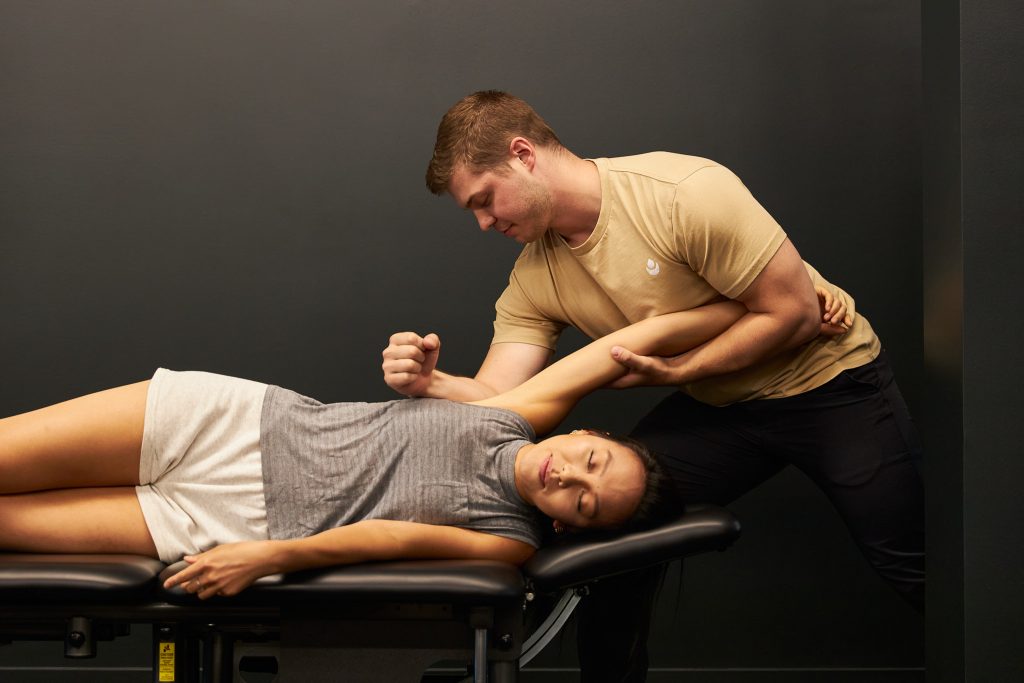
Your physiotherapist will review your headache history, your current medical care and any red flags. They will assess your neck, jaw, posture and muscle tension to look for physical factors that may be adding to your attacks.
Support may include:
We work alongside your family doctor or neurologist and never ask you to change your medication. Treatment is usually done between attacks, not during one.
Free 20-minute consultation
Not sure where to start? Talk to our team for free.
Tell us what is going on and we will match you with the right practitioner. No obligation.
Steady routines often matter most with migraine. These general tips may help, alongside the plan from your doctor:
During an attack, follow your doctor's advice, rest in a dark, quiet room and use a cold or warm pack if it helps. Programs like clinical Pilates can be a gentle way to build regular activity.
Migraine is usually a long-term condition, and the goal of supportive care is to help you manage it. Many people find that addressing neck pain, fitness and routines over 6 to 12 weeks helps them feel more in control, though responses vary.
Call 911 or go to the nearest emergency department if you have:
See your doctor if your headache pattern changes, attacks become more frequent, you use pain medication more than a few days a week or you have a new headache after age 50. If your headaches began after a concussion, see our post-concussion syndrome page.
Physiotherapy does not treat migraine medically, but it may help some people by addressing neck pain, muscle tension and fitness, which can play a part in attacks. It tends to work well as part of a plan with your family doctor or neurologist.
Many people with migraine also have neck pain or stiffness, and neck tension can be a trigger for some. A physiotherapist can assess your neck and help with any physical factors they find.
Some research suggests acupuncture may help reduce the number of migraine days for some people. It is a supportive option and does not replace care from your doctor. Learn more about acupuncture.
Regular, moderate exercise may help many people with migraine, but it is wise to build up slowly and avoid sudden intense workouts. Your physiotherapist can help you start at a level that suits you.
No referral needed; we direct bill most extended health plans. Some plans ask for a doctor's note before they reimburse, so it is worth checking your policy. Learn more about direct billing.
Questions about your symptoms? Talk to our team in Mississauga or Toronto.
For more background, these organizations offer reliable, plain-language information. It is general information and does not replace advice from your own clinician.
Find your nearest location.
