
Mississauga
Reviewed by Tharaniya Sivarajah, Registered Physiotherapist · Last reviewed October 2026
Lower hormone levels around menopause can bring vaginal dryness, soreness, pain during sex, needing to pee more often and recurrent UTIs. Pelvic floor changes can add leaking or prolapse symptoms. Lubricants, moisturisers and vaginal hormone treatment from your doctor help many people, and pelvic floor physiotherapy addresses the muscle side.
5.0 · 640+ Google reviewsNo referral needed
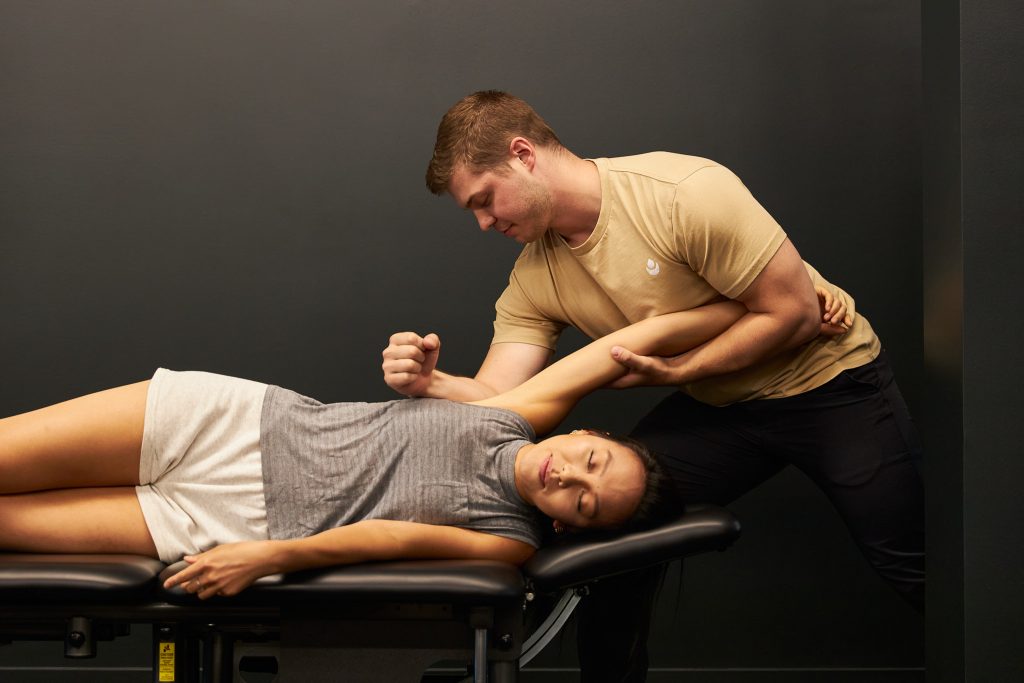
Pelvic floor training usually takes several months of regular practice to make a difference.
See your doctor if you have:
Sources: NHS: Vaginal dryness. This information is general and does not replace an assessment with a clinician.
Symptoms vary from person to person, but common signs include:
Art of Mobility has clinics in Port Credit, Mississauga and Trinity Bellwoods, Toronto. Your first visit starts with a full assessment and a plan built around your goals.
Who treats this at Art of Mobility
Pelvic health physiotherapy with Tharaniya Sivarajah, physiotherapist and pelvic health physiotherapist in Port Credit, Mississauga. Sessions are private and one-on-one.
No referral needed. Meet the full team.
Free 20-minute consultation
Not sure where to start? Talk to our team for free.
Tell us what is going on and we will recommend the right clinician and plan for you. No obligation.
How long does it take? Many women improve within 8 to 12 weeks.
Seek urgent medical care if you notice:
Menopause & Pelvic Floor rarely has a single cause, so our clinicians work together on one plan rather than treating it in isolation. Depending on what your assessment shows, your care may combine:
Everyone works from one shared chart at our Port Credit and Trinity Bellwoods clinics, so you only tell your story once. Not sure who to see first? Book a free 20-minute consultation and we will match you with the right clinician.
As estrogen levels drop during perimenopause and menopause, the tissues of the vulva, vagina, bladder and pelvic floor can change. These changes are common, and you do not have to just put up with them.
Physiotherapy focuses on muscle strength, coordination and daily habits. Some people also choose to speak with their doctor about hormone options, or explore naturopathic menopause support that works alongside their family doctor.
Simple habits can support your pelvic floor between physiotherapy sessions.
If you notice bleeding after menopause, please see your doctor promptly. It should always be checked.
Many women improve within 8 to 12 weeks.
Only if you are comfortable and it is clinically appropriate. Internal assessment is always optional and done with your consent.
Yes. Strength training supports pelvic and bone health.
No referral is needed to book with us. Treatment is covered by most extended health plans, and we direct bill most insurers.
It can help with many of the pelvic symptoms linked to menopause, such as leaking, urgency, heaviness and discomfort with intercourse. It does not change hormone levels, so some people combine it with care from their doctor.
No. Muscles can respond to training at any age, and many people notice improvements in control and confidence with a guided plan.
Pelvic floor physiotherapy can help many people manage prolapse symptoms such as heaviness or bulging, through muscle training and changes to lifting and daily habits. Your physiotherapist will let you know if a referral to your doctor makes sense.
Questions about your symptoms? Talk to our team in Mississauga or Toronto.
Find your nearest location.