

Mississauga
At Art of Mobility, we are dedicated to providing top-notch care for hip flexor strain treatment in Mississauga & Toronto. Our team of skilled healthcare professionals aims to deliver personalized treatment that ensures a quick and safe recovery from hip flexor strains.
5.0 · 640+ Google reviewsNo referral needed
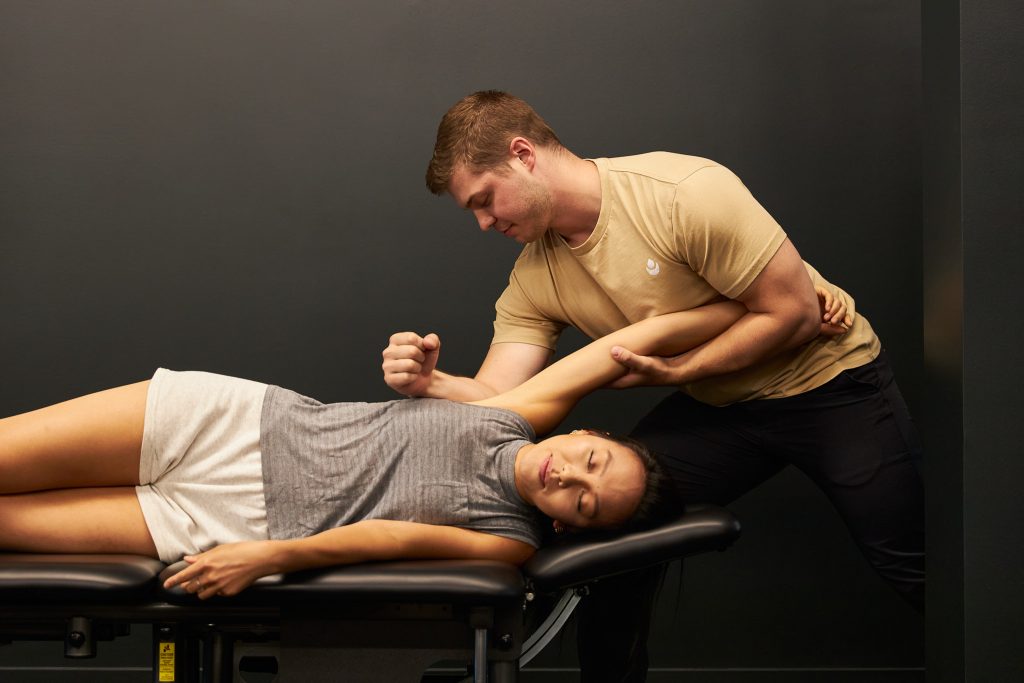
When the muscles responsible for moving your hip forward are stretched or torn, hip flexor strains occur. These injuries can vary from mild discomfort to intense pain and are frequently seen in athletes, dancers, and individuals with active lifestyles.
Symptoms vary from person to person, but common signs include:
Common causes and risk factors include:
Free 20-minute consultation
Not sure where to start? Talk to our team for free.
Tell us what is going on and we will recommend the right clinician and plan for you. No obligation.
At Art of Mobility, we embrace a comprehensive approach to address hip flexor strains, focusing on pain reduction, recovery promotion, and injury prevention.
At Art of Mobility, our dedication to your well-being extends beyond hip flexor strain treatment. We present a range of services crafted to address your holistic health requirements. Explore how we can assist you in various aspects of wellness and recovery:
Who treats this at Art of Mobility
Physiotherapists in Port Credit, Mississauga: Thusheinth Sivarajah, Justin Achat, Chung Duong, Tharaniya Sivarajah and Nathan Wong. In Trinity Bellwoods, Toronto: Justin Mah, Yunqi and Nathan Wong.
No referral needed. Meet the full team.
If you’re experiencing a hip flexor strain, don’t delay seeking treatment. Reach out to Art of Mobility in Mississauga & Toronto now to schedule your consultation and embark on the journey to recovery. Our team is prepared to guide you through every phase of your healing process.
How long does it take? Mild strains heal in 1 to 3 weeks; moderate strains in 4 to 8 weeks.
Seek urgent medical care if you notice:
1. Assessment. We take a full history and test movement, strength and the structures involved, so we understand what is driving your symptoms.
2. A clear explanation. You leave knowing what is going on and what will help, in plain language.
3. Treatment from day one. Hands-on care where it helps, plus a few targeted exercises to start right away.
4. Progress checks. We re-test at follow-ups and adjust your plan as you improve, with a clear path back to the activities you love.
No referral is needed, and we offer direct billing with most insurers.
Hip Flexor Strain rarely has a single cause, so our clinicians work together on one plan rather than treating it in isolation. Depending on what your assessment shows, your care may combine:
Everyone works from one shared chart at our Port Credit and Trinity Bellwoods clinics, so you only tell your story once. Not sure who to see first? Book a free 20-minute consultation and we will match you with the right clinician.
Ice and heat therapy play pivotal roles in hip flexor strain treatment, each serving distinct purposes in the recovery process. Ice therapy is most effective in the initial stages post-injury, aiding in reducing inflammation and numbing pain. It’s generally recommended to apply ice for 15-20 minutes multiple times a day during the first 48-72 hours following injury. Heat therapy, on the other hand, is beneficial after the acute phase, assisting in relaxing tissues and enhancing blood flow to the area, promoting recovery. Heat can be administered through a warm bath, heat packs, or a warm towel.
During hip flexor strain recovery, it’s crucial to steer clear of activities that worsen the injury. This typically includes movements involving excessive stretching or contracting of the hip flexor muscles, such as running, jumping, or aggressive stretching exercises. High-impact sports and activities with sudden starts and stops should also be avoided until the muscle has sufficiently healed. Your healthcare provider will offer specific guidance on which activities to avoid and suggest alternatives to maintain fitness without risking further injury.
Without proper treatment, a hip flexor strain can result in chronic pain and lasting weakness in the hip area, potentially impacting your ability to perform daily tasks and engage in sports or exercise. Additionally, inadequate rehabilitation or premature return to full activity post-injury can heighten the risk of re-injury or developing compensatory movement patterns, which may lead to problems in other body areas. Adhering to a comprehensive treatment plan and following healthcare professionals’ advice is vital to ensure complete recovery and minimize the risk of long-term complications.
Strengthening the hip flexors, along with enhancing overall balance and flexibility in surrounding muscles, is crucial for preventing future strains. Exercises focused on gradually building strength and flexibility in the hip flexors, such as leg lifts, lunges, and gentle stretching routines, can be beneficial. It’s also important to incorporate exercises that strengthen core and lower back muscles to provide support to the hip region. Before initiating any new exercise regimen, especially after an injury, it’s advisable to consult with a healthcare professional or physiotherapist to ensure the exercises are suitable for your specific condition and stage of recovery.
Mild strains heal in 1 to 3 weeks; moderate strains in 4 to 8 weeks.
Usually not, unless a severe tear or avulsion is suspected.
Yes, with graded loading and modified sprinting.
No referral is needed to book with us. Treatment is covered by most extended health plans, and we direct bill most insurers.
Questions about your symptoms? Talk to our team in Mississauga or Toronto.
Find your nearest location.
