

Mississauga
Reviewed by Thusheinth Sivarajah, MScPT, Registered Physiotherapist · Last reviewed November 2026
A fall can shake your confidence even if you aren't badly hurt. Many falls are linked to things that can be worked on, like leg strength, balance, dizziness, footwear and hazards at home. Building these up can help you stay independent and keep doing what you enjoy.
Art of Mobility physiotherapists at our Lakeshore Road clinic in Mississauga and our Richmond Street West clinic in Toronto assess why you may be at risk and create a practical plan. You can book without a referral, and most extended health plans can be billed directly.
5.0 · 640+ Google reviewsNo referral needed
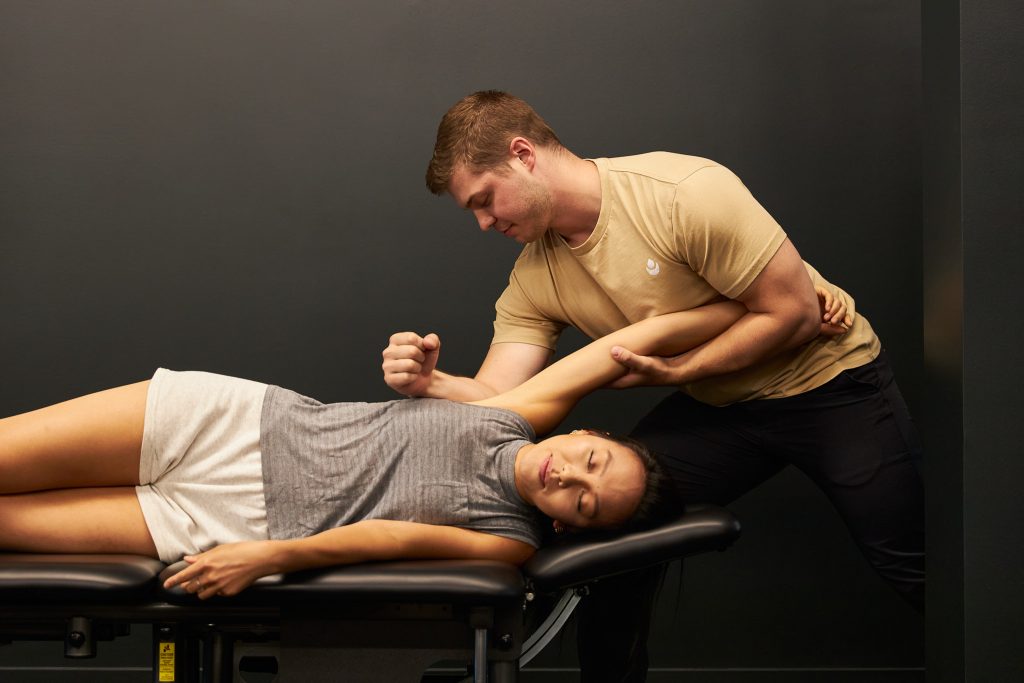
Falls usually come from a combination of factors rather than one single cause. Common contributors include:
The more of these factors you have, the higher your risk. The good news is that many of them can be improved. Strength and balance exercise, in particular, is one of the most effective ways to lower the chance of falling.
Your physiotherapist will start by asking about any falls or near misses, your health history, medications, activity level and what you want to be able to do. Then they will check:
These tests give a clear picture of where you are now. They also give us numbers we can re-check later, so you can see your progress.
If you have had a recent fall with injury, we may coordinate with your doctor. Our seniors and healthy aging page shows other ways we support older adults.
Your program will be tailored to your level, whether you walk with a cane or play tennis three times a week. It often includes:
Most research supports doing balance and strength work several times a week for at least a few months. Your physio will keep it challenging but safe, often with a counter or chair nearby for support.
Once your home routine feels steady, options such as clinical Pilates or personal training can keep you progressing.
Free 20-minute consultation
Not sure where to start? Talk to our team for free.
Tell us what is going on and we will match you with the right practitioner. No obligation.
Sometimes a specific problem is behind your fall risk. Our team can look at:
Foot pain or numbness can also affect balance. Supportive footwear, and in some cases custom orthotics, may help you feel steadier.
Your physiotherapist will tell you which of these areas seem most relevant for you.
Simple changes around the home can lower your risk. Consider:
Ask your doctor or pharmacist to review your medications, especially if you take several or have noticed dizziness. Get your eyes checked regularly too.
In winter, ice grippers for boots and a walking pole can help on slippery sidewalks around Port Credit and downtown Toronto. Taking your time and planning routes also matters.
Call 911 or go to the emergency department after a fall if you:
See your doctor if you are falling more often or have new dizziness, fainting or weakness.
Art of Mobility is a private clinic and is not OHIP-funded. People 65 and older may be eligible for government-funded physiotherapy at designated clinics, listed on ontario.ca. Many extended health plans cover our physiotherapy, and we direct bill most of them. See our current rates.
Ready to start? Book directly or begin with a free 20-minute consultation, in person or virtual.
Anyone who has had a fall or near miss, feels unsteady, has become fearful of falling, or has conditions like osteoporosis may benefit. Family members are welcome to come along.
Yes. Many people can improve strength and balance at any age with regular, well-chosen exercise.
Several times a week is a common goal. Your physiotherapist will set a program that fits your energy and schedule.
No, all visits are at our Mississauga or Toronto clinic. We can give you a home safety checklist to work through.
Not at our clinic, since we are private. Many extended health plans cover it, and you can see our direct billing page for details.
Questions about your symptoms? Talk to our team in Mississauga or Toronto.
For more background, these organizations offer reliable, plain-language information. It is general information and does not replace advice from your own clinician.
Find your nearest location.
