
Mississauga
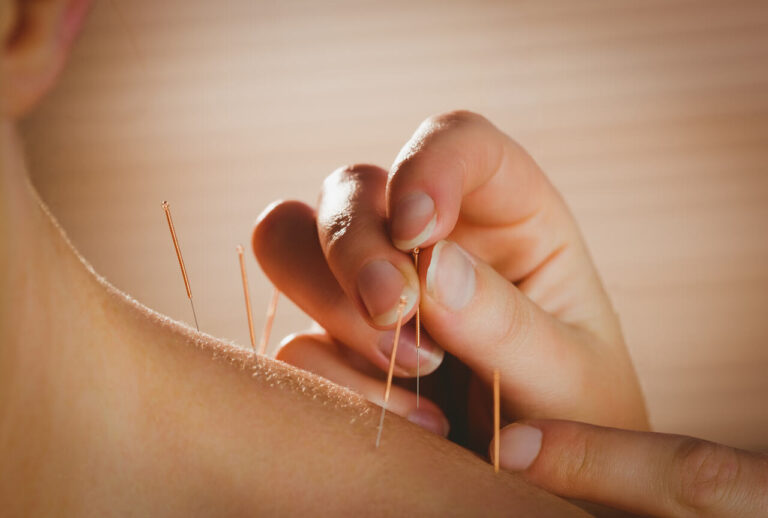
Dry needling, acupuncture and IMS (intramuscular stimulation) all use the same kind of thin, solid needle. From the treatment table they can look almost identical. The differences are in the reasoning behind where the needles go, how long they stay in and what the practitioner is trying to change.
This guide breaks down each approach in plain language, explains who can perform them in Ontario, and shows how needling fits into physiotherapy, chiropractic, naturopathic and massage sessions at our Mississauga and Toronto clinics.
5.0 · 640+ Google reviewsNo referral needed
Dry needling is based on modern anatomy and physiology. The practitioner feels for tight, tender bands in a muscle, often called trigger points, and places a fine needle directly into that spot. The word "dry" simply means nothing is injected.
The goal is usually to reduce muscle tension and pain so you can move more comfortably. Many people feel a quick twitch or a deep ache when the needle reaches the right spot. That sensation tends to fade within seconds. Some soreness, like after a hard workout, can linger for a day or two.
Needles may go in and come out quickly, or stay in place for several minutes. Dry needling is rarely a stand-alone treatment. It usually sits inside a bigger plan that includes exercise, hands-on care and education, because loosening a muscle works better when you also build strength and control around it.
You can learn more on our dry needling page.
Acupuncture is the oldest of the three. In its traditional form, it comes from Chinese medicine and uses points along pathways called meridians. Practitioners choose points based on a broader look at your health, not only where it hurts.
Many Western-trained clinicians use what is often called medical or contemporary acupuncture. It uses many of the same classic points, but explains their effects in terms of nerves, the brain's pain processing and local blood flow. Needles are usually left in for a set time, often 15 to 30 minutes, while you rest.
Acupuncture may be used for pain, tension, stress or general well-being. Some people find the sessions calming. Others notice a heavy or warm feeling around the needles. Points can be far from the sore area; for example, a point on the hand may be included for neck tension.
See our acupuncture page for details on how it is offered at Art of Mobility.
IMS stands for intramuscular stimulation. It was developed in Canada and is based on the idea that some ongoing muscle pain comes from irritated or sensitized nerves, often near the spine, which keep muscles in a shortened, guarded state.
Because of that, IMS practitioners often needle muscles close to the spine as well as the painful area itself. The aim is to release tight bands along the path of the affected nerve. Needles are typically placed and removed quickly, and the muscle may grip the needle or cramp briefly before releasing.
IMS requires post-graduate training on top of a practitioner's core licence. It tends to be used for long-standing pain that has not settled with other care, such as stubborn neck, back, hip or shoulder pain.
Like dry needling, IMS tends to work well as part of a full plan with exercise and movement retraining. Read more on our IMS page.
Free 20-minute consultation
Not sure where to start? Talk to our team for free.
Tell us what is going on and we will recommend the right clinician and plan for you. No obligation.
Here is a quick way to tell the three apart:
None of the three suits every case. The right choice depends on your symptoms, your comfort with needles and your practitioner's assessment. Some people do well with one approach and not another.
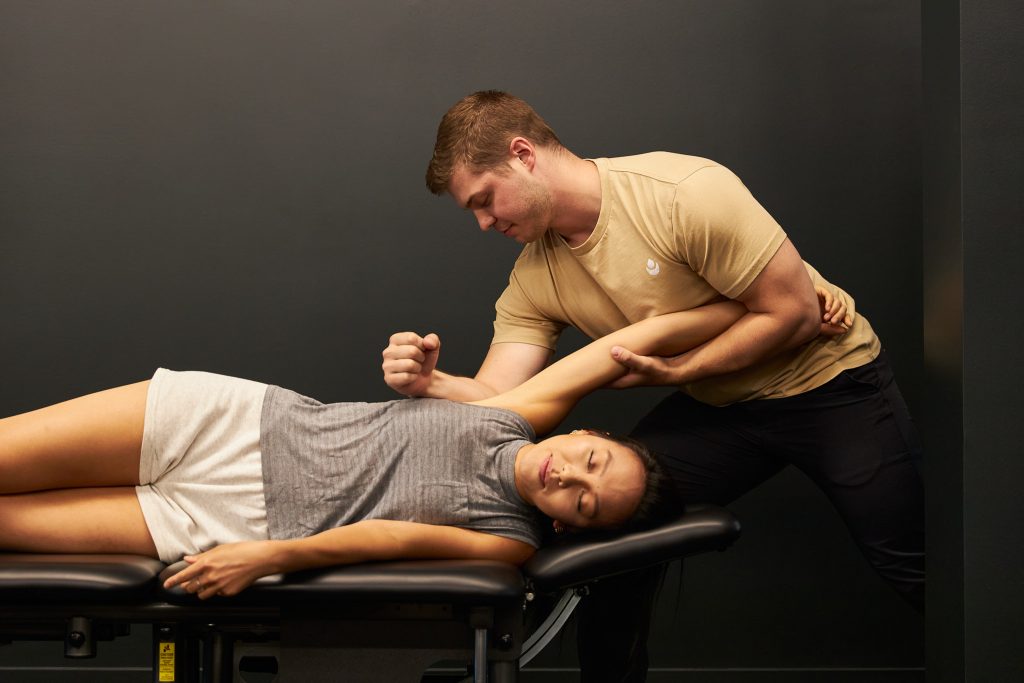
At Art of Mobility, needling is not a separate appointment type. It is done within a session with one of our physiotherapists, chiropractors, naturopathic doctors or registered massage therapists who has the right training. Your visit is billed at that practitioner's regular rate. See our current rates.
That has a practical upside for insurance. Because the session is a physio, chiro, ND or RMT visit, you would typically claim it under that category in your extended health plan. Coverage still depends on your plan, so check your booklet. We direct bill most plans; see direct billing.
Before any needles are used, your practitioner will explain what they suggest and why, and ask for your consent. You can say no at any point, and there are always other options such as manual therapy and exercise. Needling is a tool, not a requirement.
All needles are sterile, single-use and disposed of right after your treatment.
When performed by a trained, regulated practitioner, needling is generally considered low risk. Common, short-lived side effects include soreness, small bruises, tiredness or feeling light-headed. Drink some water and keep moving gently afterward.
Let your practitioner know before treatment if you:
Rare but serious problems can happen, especially when needling near the chest. Seek emergency care right away if you develop sudden shortness of breath, chest pain or trouble breathing after treatment. Also see a doctor if a needle site becomes very red, hot, swollen or starts to leak pus.
Curious whether needling suits you? Book a free 20-minute consultation and ask us anything before you commit.
Plain-language guides from the Art of Mobility team in Port Credit, Mississauga and Trinity Bellwoods, Toronto. See all articles
They use the same type of needle, but the reasoning differs. Dry needling targets tight spots in muscle based on anatomy, while acupuncture uses classic points that may be far from the sore area.
Many people describe both as a deep ache or cramp that passes quickly. IMS can feel stronger because it often treats several muscles, including some near the spine.
At our clinic, needling happens during a physio, chiro, ND or RMT visit, so you would usually claim under that category. Check your own plan for limits and rules.
It varies. Some people notice a change after one or two sessions, others need more, and some prefer other techniques. Your practitioner will reassess as you go.
Yes. Ask your physiotherapist at your visit; if they have the training and needling suits your goals, it can be added with your consent.
Questions about your symptoms? Talk to our team in Mississauga or Toronto.
Find your nearest location.