
Use your 2026 benefits before they renew. Many extended health plans reset on January 1, and unused amounts usually don't carry over.Book a sessionCheck your coverage
Direct billing with most insurers · No referral needed

Dizziness and Balance Treatment in Mississauga & Toronto

Reviewed by Nathan Wong, Registered Physiotherapist · Last reviewed October 2026

Dizziness has many causes, from inner-ear problems and migraine to blood pressure drops, dehydration and medication side effects. It often goes away on its own. When dizziness or unsteadiness keeps coming back, a vestibular physiotherapy assessment can find movement-related causes and retrain your balance.

5.0 · 640+ Google reviewsNo referral needed
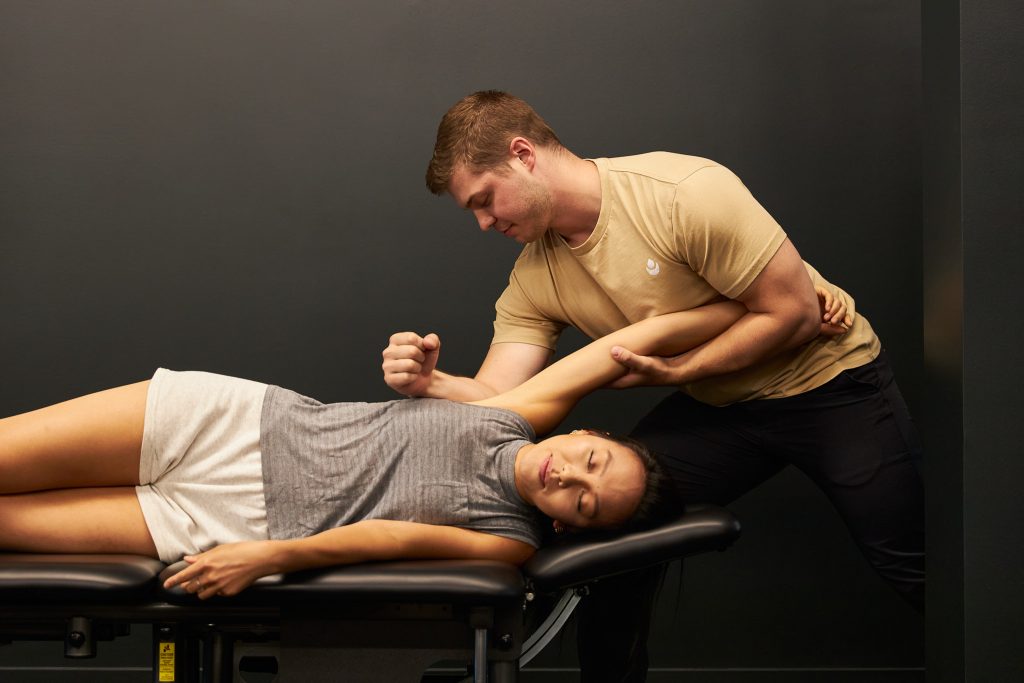
AOM clinician assessing a client's movement during a session

Dizziness and balance problems: how we treat it and what to expect

How we treat it at Art of Mobility

  • An assessment of balance, eye and head movement, walking and the situations that bring on dizziness, plus screening for causes that need your doctor.
  • Vestibular rehabilitation and balance exercises tailored to your symptoms.
  • Falls-prevention strategies and confidence-building for walking and daily tasks.
  • Treatment for neck-related dizziness when the neck is involved.

Typical recovery

Depends on the cause; many people improve steadily with a home exercise programme.

When to get medical help first

See a doctor first if dizziness:

  • doesn't go away or keeps coming back
  • comes with hearing loss, ringing in the ears or vision changes
  • comes with numbness or weakness, fainting or a change in heartbeat

Sources: NHS: Dizziness. This information is general and does not replace an assessment with a clinician.

01Dizziness & Balance

Signs and Symptoms of Dizziness & Balance

Symptoms vary from person to person, but common signs include:

  • Feeling light-headed, off-balance or spinning
  • Unsteadiness when walking
  • Symptoms with head movement or busy environments
  • Nausea
  • Fear of falling
02Dizziness & Balance

What Causes Dizziness & Balance?

Common causes and risk factors include:

  • Inner ear problems such as BPPV or vestibular neuritis
  • Neck-related dizziness
  • Concussion
  • Ageing and reduced strength or sensation

Free 20-minute consultation

Not sure where to start? Talk to our team for free.

Tell us what is going on and we will match you with the right practitioner. No obligation.

Book My Free Consultation
03Next steps

Getting help for dizziness and balance problems at Art of Mobility

Art of Mobility has clinics in Port Credit, Mississauga and Trinity Bellwoods, Toronto. Your first visit starts with a full assessment and a plan built around your goals.

Who treats this at Art of Mobility

Vestibular physiotherapy with Nathan Wong, who sees clients in Port Credit, Mississauga and Trinity Bellwoods, Toronto. Our wider physiotherapy team supports balance and strength work.

No referral needed. Meet the full team.

04Dizziness & Balance

Recovery Timeline and When to Seek Urgent Care

How long does it take? Many people improve within 4 to 8 weeks of targeted vestibular and balance work.

Seek urgent medical care if you notice:

  • Sudden dizziness with slurred speech, facial droop, arm weakness, double vision or a severe headache, which needs emergency care (call 911)
  • Dizziness with chest pain or fainting
  • New hearing loss
05Dizziness & Balance

How Our Team Works Together

Dizziness & Balance rarely has a single cause, so our clinicians work together on one plan rather than treating it in isolation. Depending on what your assessment shows, your care may combine:

Everyone works from one shared chart at our Port Credit and Trinity Bellwoods clinics, so you only tell your story once. Not sure who to see first? Book a free 20-minute consultation and we will match you with the right clinician.

06Dizziness & Balance

Vertigo vs Dizziness: What's the Difference?

People often use "dizzy" to describe very different feelings, and naming the feeling helps point to the cause.

  • Vertigo is a spinning or tilting sensation, as if you or the room is moving. It often comes from the inner ear, such as BPPV, and is commonly set off by rolling in bed or looking up.
  • Light-headedness feels like you might faint. It can be linked to blood pressure, dehydration or medication, and is usually a reason to check in with your family doctor.
  • Imbalance is feeling unsteady on your feet, especially in the dark or on uneven ground. It can relate to the inner ear, leg strength, sensation in the feet or vision.
  • Visual or "busy" dizziness shows up in grocery aisles, crowds or while scrolling, and is common after a concussion.

During vestibular therapy, your physiotherapist asks what the dizziness feels like, how long it lasts and what triggers it. That information, plus simple eye, head and balance tests, guides which treatment is likely to help.

07Dizziness & Balance

Self-Care Tips Between Visits

Small changes at home can make day-to-day life safer and support the work you do in the clinic.

  • Move slowly when changing position. Sit on the edge of the bed for a few breaths before standing up.
  • Light the way. Use night lights in hallways and the bathroom, since balance often relies more on vision when the inner ear is irritated.
  • Clear tripping hazards. Tuck away loose rugs and cords, and keep stairs clear.
  • Keep moving gently. Avoiding all movement can slow recovery. Short, regular walks and your prescribed exercises help the brain adapt.
  • Stay hydrated and eat regularly. Skipped meals and dehydration can add to light-headedness.
  • Track your symptoms. A quick note of what set off a dizzy spell is useful at your next visit.

If you notice sudden dizziness with slurred speech, facial drooping, weakness, double vision or a severe headache, call 911 right away. These are not symptoms to manage at home.

Not sure where to start? Book a free consultation and we can help you plan next steps.

08FAQs

Dizziness & Balance FAQs

How long does dizziness & balance take to improve?

Many people improve within 4 to 8 weeks of targeted vestibular and balance work.

Do I need an X-ray or MRI for dizziness & balance?

Not usually. Your physician may test if a central cause is suspected.

Can I keep exercising with dizziness & balance?

Yes. Balance training is a key part of treatment.

Do I need a referral, and is it covered by insurance?

No referral is needed to book with us. Treatment is covered by most extended health plans, and we direct bill most insurers.

Can physiotherapy help with dizziness and balance problems?

Yes, many people with inner ear or balance-related dizziness find that vestibular physiotherapy can help. Treatment may include repositioning techniques, gaze and balance exercises, and a gradual plan to return to daily activities.

What should I avoid if I feel dizzy?

Avoid driving, climbing ladders or working at heights while you have active dizzy spells. It also helps to avoid sudden head movements early on, while still staying as active as is safe for you.

How do I know if my dizziness is coming from my inner ear?

Spinning that starts with head movements, such as rolling over in bed or looking up, often points to the inner ear. A vestibular assessment uses simple eye and positional tests to help sort this out, and we refer you to your doctor if anything suggests another cause.

Questions about your symptoms? Talk to our team in Mississauga or Toronto.

Trusted sources

Sources and further reading

For more background, these organizations offer reliable, plain-language information. It is general information and does not replace advice from your own clinician.

08Locations

Begin your longevity journey now.

Find your nearest location.

It's time to partner with a longevity team.

We're on a mission to add a billion years of healthy life to humanity
